

Symptoms
Opis zawartości wpisu bloga
SYMPTOMS
10/5/20253 min read
SYMPTOMS PATTERNS
SYMPTOMS PATTERNS
Gilbert’s Syndrome comes with a wide range of possible symptoms. These are the ones I’ve gathered from my own experience, conversations with others who have GS, clinical studies, and various reliable sources. :p
A few of these can also be signs of other conditions that GS may make you more susceptible to—be sure to check out the Susceptibility page for more details! [imo all of these are MANAGABLE]
Symptoms patterns
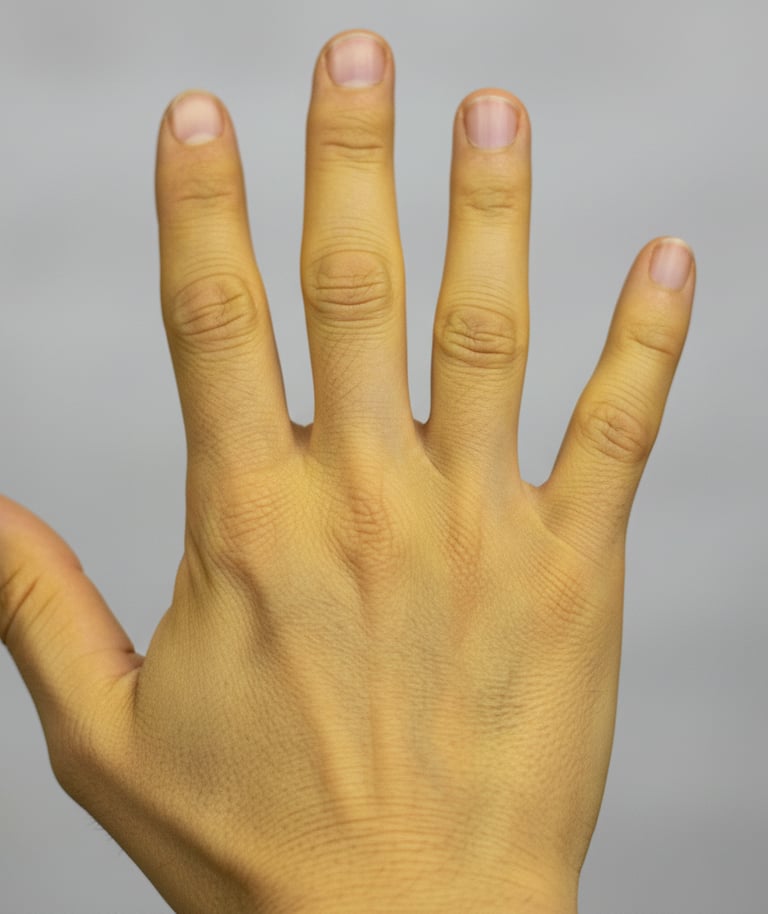
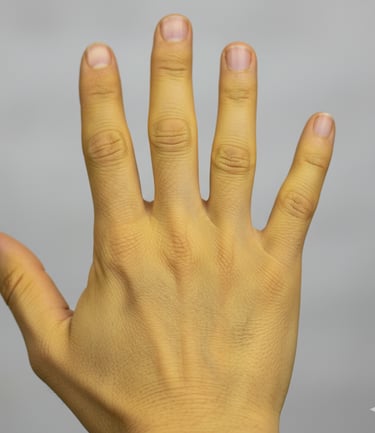
Jaundice
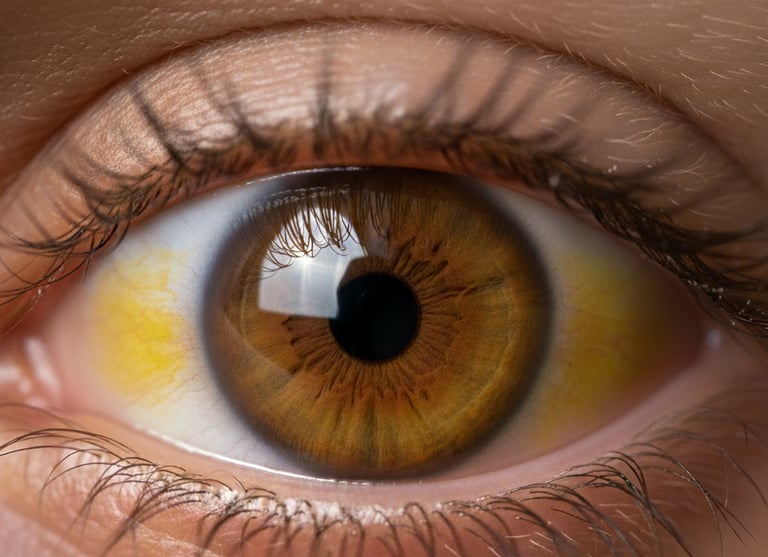
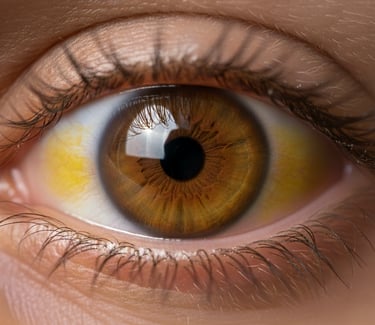
[yellowing of the skin or eyes] - this is among one of the most common symptoms of GS. This happens when a substance called bilirubin (a yellow pigment made when red blood cells break down) builds up slightly in the blood. You may notice a slight yellow tinge in the whites of your eyes or in your skin. Even though this is a tell tale sign of GS, not everyone with Gilbert’s syndrome develops jaundice. Some people never notice any yellowing at all.
DARK URINE AND CLAY COLOURED STOOL
Bilirubin is a pigment that gives urine and stool their color. In Gilbert’s syndrome, fluctuations in bilirubin levels and intermittent changes in bile flow can result in dark urine or, less commonly, pale, clay-colored stools.
Fatigue, Mood Changes & Sleep Disturbances
Leaky gut
Itchy skin can sometimes occur in people with Gilbert’s syndrome. This is thought to be related to the accumulation of bilirubin in the skin, which happens when bilirubin levels in the blood rise
Clinical studies show, that people with Gilberts Syndrome have slower gastric emptying, meaning we are FULL quicker and are less hungry in general


IBS-Like Digestive Issues
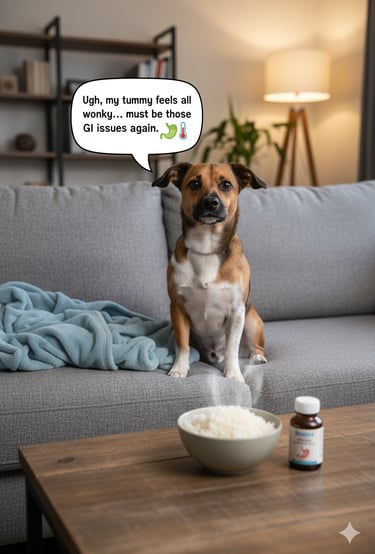
Studies suggest that people with GS may have slower gastric emptying, meaning food stays in the stomach longer. Combined with sluggish bile flow, this can lead to nausea, upper-abdominal discomfort, and difficulty breaking down fats.


NAUSEA and ABDOMINAL PAIN
Because of the slower transit time, some people with GS experience early fullness, delayed hunger, or nausea around mealtimes. Supporting digestion and identifying food triggers often helps.
NO APPETITE
ecause GS slows glucuronidation — a major detoxification pathway — estrogen clearance can also be slower, especially in women. This may contribute to:
Irregular periods
PMS symptoms
increased bilirubin around the menstrual cycle
In men, slower estrogen clearance may mildly affect testosterone balance.
Many people with GS report fatigue, brain fog, anxiety, low mood, and sleep issues.
When bilirubin rises, it may stress glial cells in the brain, which help regulate glutamate. Excess glutamate can affect sleep quality, focus, and mood. These symptoms often appear during high-bilirubin periods and may overlap with issues like low iron, B12, or vitamin D.
A faster intestinal transit time is common in GS, which can contribute to diarrhea, constipation, or alternating patterns — often resembling IBS. In many cases, these symptoms are linked to microbiome imbalances.
Bloating & SIBO
Elevated bilirubin may affect the integrity of the intestinal lining, contributing to increased permeability (often called “leaky gut”). This can allow irritants or toxins to enter the bloodstream and may lead to widespread symptoms.
Itchy skin
Hormonal Imbalances